
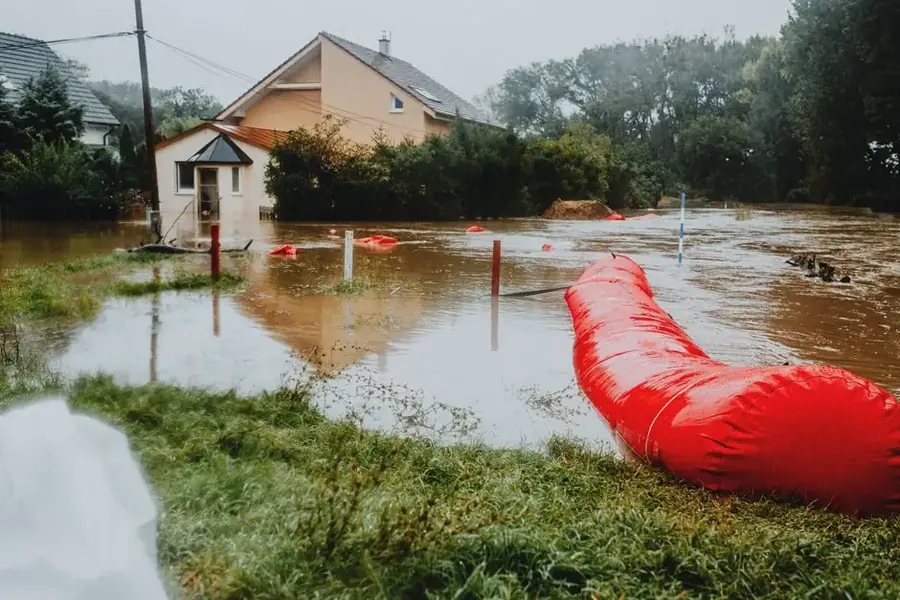
Clay soil is a common issue for many homeowners in Fairfax, Virginia, and it can lead to significant problems such as wet basements. Understanding how clay soil interacts with water can help you prevent damage and maintain a dry, safe home. This article will explore the relationship between clay soil and wet basements, signs of water damage, effective solutions, and when to call a professional.
Understanding Clay Soil
Clay soil is characterized by its small particle size and compactness, which makes it less permeable than sandy or loamy soils. In Fairfax, the prevalence of clay soil can lead to unique challenges for homeowners, particularly during periods of heavy rainfall. As clay soil becomes saturated, it can hold water and create pressure against basement walls, increasing the risk of leaks and flooding.
Why Clay Soil Causes Wet Basements
One of the primary reasons clay soil contributes to wet basements is its inability to drain water effectively. Unlike sandy soils that allow water to pass through, clay retains moisture, leading to:
- Water Accumulation: When it rains, clay soil absorbs water and can become saturated quickly.
- Hydrostatic Pressure: As water builds up in the soil, it exerts pressure against basement walls, potentially causing cracks and leaks.
- Increased Humidity: The moisture retained in clay soil can lead to higher humidity levels in your basement, promoting mold growth.
These factors can result in significant water damage, making it essential for homeowners to understand the implications of clay soil.
Signs of Water Damage in Your Basement
Recognizing the signs of water damage early can save you from costly repairs. Some common indicators include:
- Musty Odors: A persistent damp smell often signals mold or mildew.
- Visible Water Stains: Look for stains on walls or floors, which indicate past or present leaks.
- Peeling Paint or Wallpaper: This can occur when moisture seeps behind the surface.
- Condensation: Excess moisture can lead to condensation on windows and pipes.
If you notice any of these signs, it may be time to consider solutions to mitigate water intrusion.
Effective Solutions for Wet Basements
Addressing the issue of wet basements caused by clay soil involves a combination of preventive measures and repairs. Here are some effective solutions:
- Improve Drainage: Installing gutters and downspouts that direct water away from your foundation can help reduce moisture levels.
- French Drains: Consider adding a French drain system to divert water away from your basement.
- Waterproofing: Applying waterproof coatings to basement walls can provide an additional barrier against moisture.
- Sump Pump Installation: A sump pump can help remove water that accumulates in your basement, especially during heavy rains.
- Soil Grading: Ensure that the ground around your home slopes away from the foundation to facilitate drainage.
Implementing these solutions can greatly reduce the risk of water damage and keep your basement dry.
Common Mistakes to Avoid
Many homeowners make mistakes that can exacerbate water damage issues. Here are some common pitfalls to avoid:
- Ignoring Maintenance: Failing to clean gutters and downspouts can lead to water overflow and foundation issues.
- Neglecting Landscaping: Poorly designed landscaping can trap water around your home.
- Using Inadequate Sealants: Not using the right waterproofing products can lead to ineffective moisture barriers.
- Overlooking Signs of Damage: Ignoring early signs of water damage can lead to more severe problems down the line.
By avoiding these mistakes, you can protect your home from the damaging effects of water.
When to Call a Professional
If you are experiencing persistent water issues in your basement, it may be time to call a professional. Fairfax Water Damage Guys specialize in water damage mitigation and can provide you with tailored solutions for your specific situation. They can assess the extent of the damage, recommend appropriate repairs, and help prevent future issues.
Frequently Asked Questions
What are the best ways to prevent water damage in a basement?
To prevent water damage, ensure proper drainage away from your home, install a sump pump, and regularly maintain your gutters and downspouts.
How can I tell if my basement has water damage?
Signs of water damage include musty odors, visible water stains, peeling paint, and condensation on surfaces.
Is waterproofing my basement worth the investment?
Yes, waterproofing can save you from costly repairs in the future and improve your home's overall value and safety.
How often should I check for signs of water damage?
It's advisable to check your basement for signs of water damage at least twice a year, especially before and after heavy rainfall.
What should I do if I find water in my basement?
If you find water, remove it immediately using a wet/dry vacuum and contact professionals for further assessment and cleanup, especially if the water is significant.
Get Help with Water Damage Restoration in Fairfax
If you're dealing with water damage in your basement due to clay soil or any other reason, don't hesitate to reach out for professional help. Contact us at (703) 263-8312 for expert assistance with Water Damage Restoration in Fairfax, Virginia.